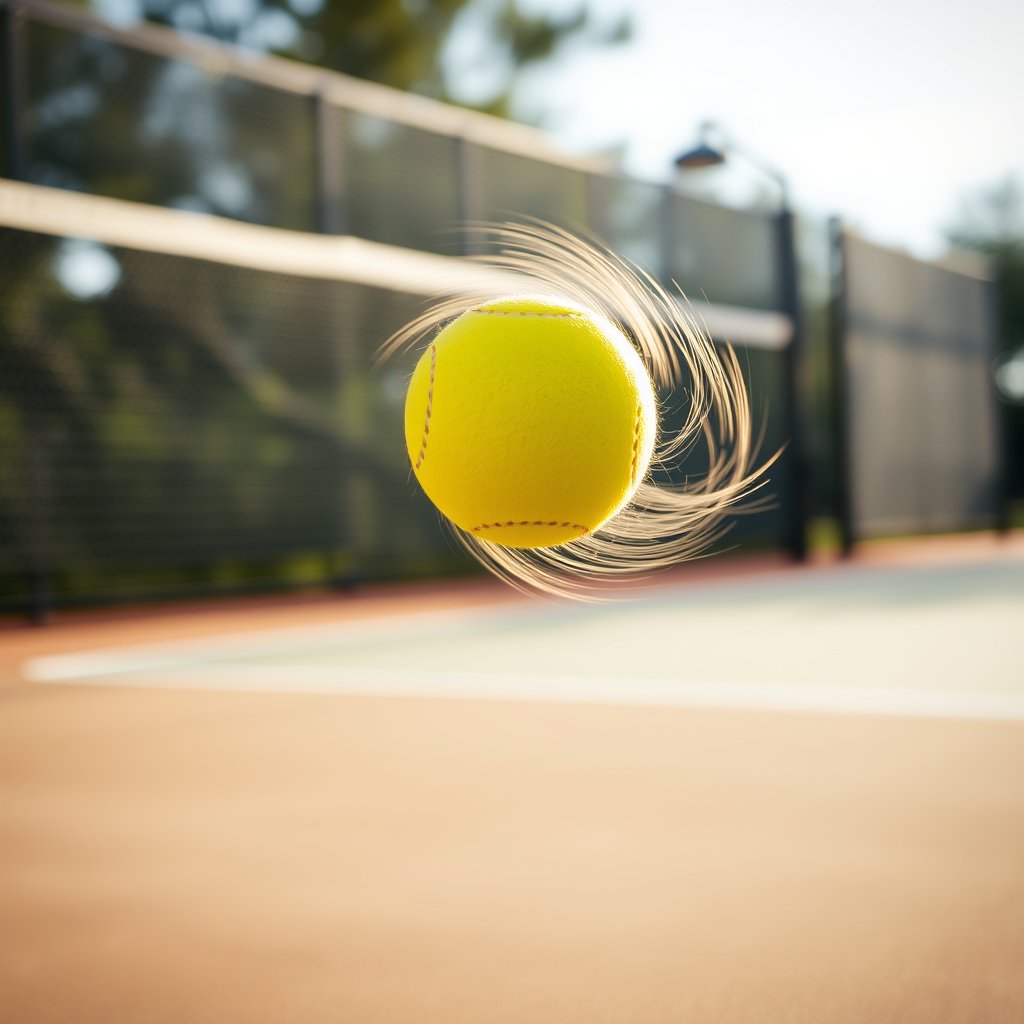
Starting October 1, 2026, USA Pickleball will measure exactly how much spin your paddle puts on the ball, and any paddle certified after that date has to come in under 2,100 revolutions per minute to make the approved list. That single number has sent a wave of low-grade panic through every group chat and pickup game in the country. Players who spent a small fortune on a grippy, high-spin flagship want to know one thing: is my paddle about to be illegal, or worthless, or both?
The short answer is calmer than the rumors. Your current paddle is almost certainly fine to keep playing with. But the rules that govern what you can buy next are changing in a real way, and if you are shopping for a paddle in the next few months, understanding the 2,100 RPM line will save you from spending money on something that gets stranded on the wrong side of it.
What the New Rule Actually Says
For years, USA Pickleball approved paddle surfaces using a Surface Roughness and Coefficient of Friction test. Those measured the texture of the face, which correlates with spin but doesn't measure spin directly. The new Spin Rate Test measures the real thing: how fast the ball is rotating as it leaves the paddle face.
According to The Dink Pickleball, the test runs on a system called PaddleVision, a dual-camera imaging platform built by the Sweden-based firm Image Systems. Two cameras capture the ball coming off the face, and motion-analysis algorithms calculate the rotation in revolutions per minute. The threshold is 2,100 RPM. Any paddle submitted for certification after October 1, 2026 has to test under that number to earn a spot on the approved list.
Riley Burgess, USA Pickleball's Vice President of Equipment Compliance, framed the change as a way to keep competition fair while still leaving room for manufacturers to innovate. The formal procedures were distributed to manufacturers on July 15, 2026, after a months-long comment period, and the standard will be written into the USA Pickleball Equipment Standards Manual going forward.
As an Amazon Associate we earn from qualifying purchases. If you want a paddle that's already cleared for tournament play under the current system, browse → Shop USA Pickleball approved paddles on Amazon and check that the listing shows current USAP certification.
Why 2,100 RPM, and What That Number Feels Like
A spin number in isolation means nothing until you know where real paddles land. Independent testing over the past couple of seasons has put most everyday paddles somewhere in the 1,500 to 1,900 RPM range on a clean, controlled swing. The paddles that generate genuine cause for concern are the elevated-grit and raw-carbon flagship faces that specialized labs have measured pushing past 2,000, and in a few cases well beyond.
So 2,100 RPM is not a low ceiling meant to gut everyone's spin. It sits above where the vast majority of paddles already perform. The line was drawn to catch the small population of extreme, texture-forward faces that were beginning to make spin feel less like a skill and more like an equipment purchase. If your paddle is a mainstream control or all-court model, it almost certainly already lives comfortably under the cap.
The practical takeaway: spin under 2,100 RPM is still a lot of spin. Skilled players can bend a serve or dip a third shot with plenty of paddles that will never come near the limit. The rule targets the ceiling, not the middle of the bell curve.
The Part Everyone Is Panicking About: Already-Certified Paddles
Here is the detail that calms most of the fear. Paddles certified before October 1, 2026 remain compliant under the standards in place when they were certified. The new test applies to paddles submitted after that date. USA Pickleball is not retroactively yanking approval from paddles already on the list.
There's even a window working in buyers' favor right now. Through September 30, 2026, a paddle that passes the current Surface Roughness and Coefficient of Friction tests can still be added to the approved list under the old methodology. Newly certified paddles that clear the spin test won't appear on the official list before October 1. In other words, the next several weeks are the last stretch where a high-grit paddle can earn certification the old way.
That creates two honest camps of buyers. If you play recreationally and rarely, if ever, enter a sanctioned tournament, none of this changes your day-to-day. Play the paddle you love. If you compete in USA Pickleball sanctioned events, the safest move is to confirm your paddle is on the current approved list and understand that its certification stands under its original terms.
For a control-oriented player who wants a paddle that will never flirt with the ceiling, a lower-spin, high-touch face is the obvious pick. Browse → Shop control pickleball paddles on Amazon for models built around placement and feel rather than raw grit. If you're weighing the trade-offs between bite and touch, our guide to the best paddles for control and finesse players breaks down which faces reward soft hands.
What Happens to New Paddles After October 1
For newly designed paddles, manufacturers now have a hard engineering target. They can build texture and grit right up to whatever produces 2,100 RPM in the PaddleVision test, but no further, if they want certification. Expect the next generation of flagship releases to advertise spin numbers proudly and to lean on core technology, weight distribution, and swing weight for performance rather than ever-rougher faces.
This is mostly good news for buyers. A measured, published spin ceiling makes paddle-to-paddle comparisons more honest. When two paddles both certify under the same test, the difference between them shifts to feel, power, forgiveness, and price, which are the things that actually decide matches once you're past a certain skill level.
There is a fair concern worth flagging, and it has been raised by observers across the sport: any single number invites paddles engineered to sit right at the edge of the limit. That's a real dynamic and one USA Pickleball will likely refine over time. Treat 2,100 RPM as the current line, not a permanent one, and watch for updates as the standard settles in.
If you want to sidestep the whole debate, an all-court paddle built for versatility rather than maximum spin is the pragmatic buy. Browse → Shop all-court pickleball paddles on Amazon for models that balance spin, power, and control without chasing the grit ceiling. If you're new to paddle shopping entirely, start with our walkthrough on choosing your first pickleball paddle before you spend on a flagship.
How to Buy a Future-Proof Paddle Right Now
If you're shopping today and want to avoid buyer's remorse, a few habits make you effectively immune to the certification shuffle.
Buy from the current approved list. The single most reliable move is confirming the exact model and year on USA Pickleball's official equipment site before you check out. A paddle on the list is legal for sanctioned play under the terms it was certified with.
Favor established control and all-court models. These almost never approach the 2,100 RPM line, so they're insulated from the new test regardless of when you buy. They also tend to age better, since their appeal is feel and consistency rather than a spin spec that a competitor will beat next season.
Be cautious with extreme-grit "spin monster" faces. The paddles most likely to bump against the cap are the ones marketed almost entirely on spin. They can still be legal if certified, but they're the category most exposed to future standard changes, and heavily textured faces also tend to wear down and lose grit fastest.
Refresh your grip before blaming your paddle. A surprising amount of perceived spin and control comes down to a fresh, tacky grip and a confident swing, not the face texture. A worn grip makes any paddle feel dead. Restock with → Shop pickleball paddle grip tape on Amazon before you convince yourself you need a whole new paddle.
If spin is genuinely central to your game and you want the most bite you can get while staying safely certified, our roundup of the best pickleball paddles for spin is a good place to compare current, approved options.
The Bottom Line for Panicked Buyers
Nobody is coming to confiscate your paddle. Paddles certified before October 1, 2026 keep their standing under the rules they were approved under, and the vast majority of mainstream paddles already test comfortably below 2,100 RPM. The change is real, but it's aimed squarely at the extreme, grit-forward faces at the very top of the spin range.
For recreational players, the practical impact is close to zero. For competitors, the move is simple: verify your paddle is on the current approved list and keep an eye on future updates to the standard. And for anyone shopping right now, buy from the approved list, lean toward proven control and all-court models, and don't confuse a worn grip for an obsolete paddle. Do that, and the 2,100 RPM rule becomes a footnote instead of an emergency.
Details of the standard, including certification windows and testing procedures, are subject to refinement as USA Pickleball rolls out the new methodology, so confirm specifics against the official equipment page before making a competition decision.
As an Amazon Associate we earn from qualifying purchases. This article contains affiliate links; if you buy through them we may earn a small commission at no additional cost to you.