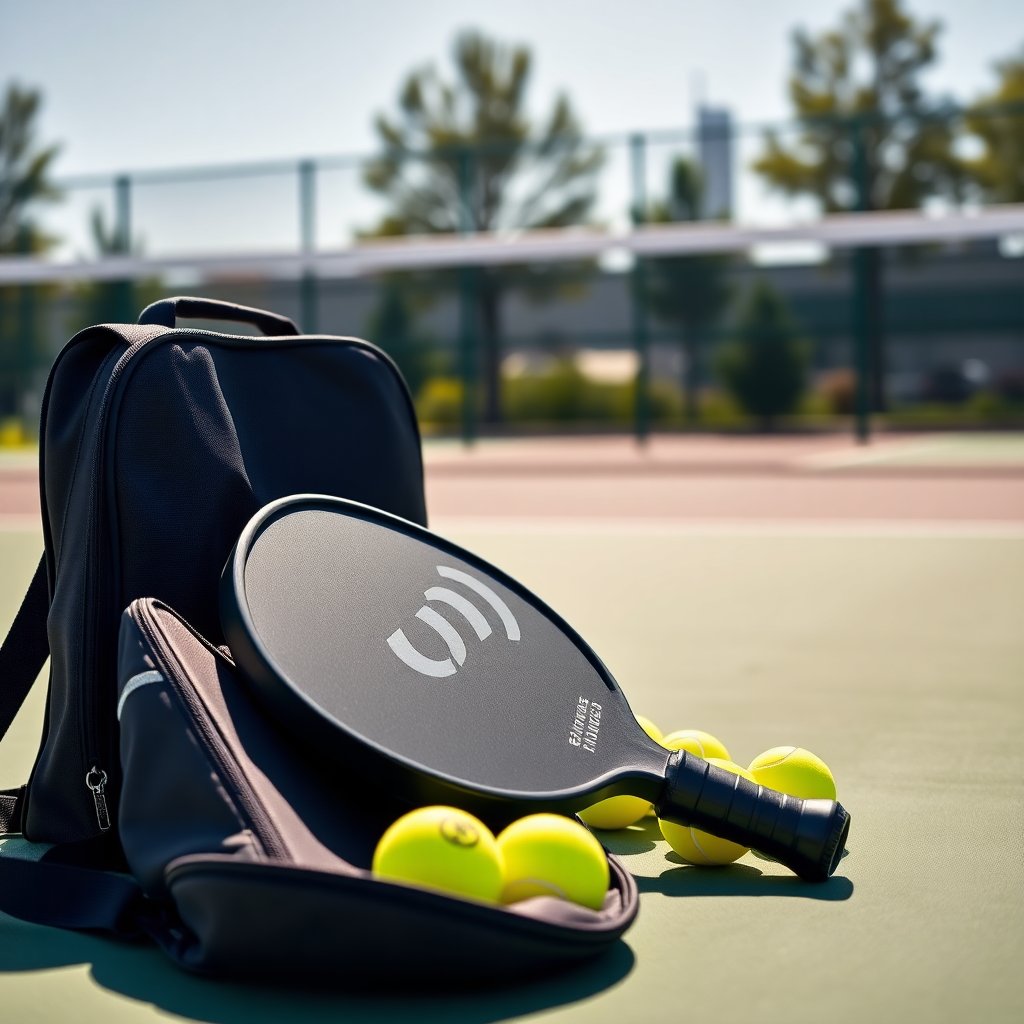
Pickleball is the fastest-growing sport in America, and once you play it, you'll understand why. It's accessible enough that a 70-year-old and a 20-year-old can rally together, and competitive enough that top players train like athletes. Here's everything you need to get started — from the rules to the gear to where to find your first game.
The Basic Rules
Pickleball is played on a court about a quarter the size of a tennis court, with a low net, a perforated plastic ball, and solid paddles. Games go to 11, win by 2, and you can only score points when you're serving (called rally scoring variations exist in some recreational settings, but official rules use side-out scoring).
The Two Most Important Rules to Know
The kitchen (non-volley zone): A 7-foot zone on each side of the net where you cannot volley the ball (hit it before it bounces). This one rule shapes the entire strategy of the game — it prevents players from camping at the net and spiking every ball. For a full breakdown, our kitchen rules explained guide covers every scenario beginners get wrong.
The two-bounce rule: After the serve, both the receiving team and the serving team must let the ball bounce once before they can volley it. This prevents the serving team from rushing the net immediately and creates the baseline-to-kitchen transition that defines pickleball strategy.
After those two bounces, both teams can volley freely (outside the kitchen).
Serving
The serve in pickleball is underhand, made from below the waist, diagonally cross-court. The ball must clear the kitchen on the serve. You get one serve attempt (no second serve like in tennis). The first serve of each game starts from the right side of the court.
In doubles, each partner serves before the serve passes to the other team — with one exception: the very first serving team of a game only gets one serve before giving up the serve. This levels out the first-serve advantage.
Scoring
Only the serving team can score. When the serving team faults (hits the ball out, into the net, or into the kitchen on a serve), the serve passes to the opponents. First to 11 points, win by 2. Tournament games are often best of 3.
What Gear Do You Actually Need?
You don't need much. Here's the honest minimum:
A Paddle
This is the most important piece of equipment. For beginners, something in the $50–$90 range is plenty. You don't need to spend $150+ to learn the game.
The Franklin Sports Pro (~$49) is an excellent starting point — solid control, forgiving sweet spot, won't break the bank while you're figuring out your game. Once you know you love the sport, the Selkirk SLK Halo (~$89) is a step up with a carbon fiber face and significantly better touch.
→ Shop beginner pickleball paddles on Amazon
For detailed recommendations, our best pickleball paddles under $100 guide covers every option worth buying at the recreational level.
Balls
Outdoor and indoor balls are different — the outdoor variety has 40 smaller holes for wind resistance; indoor balls have 26 larger holes for a softer, slower game. A pack of Dura Fast 40 balls is the outdoor standard; Onix Pure 2 is the indoor standard.
→ Shop pickleball balls on Amazon
Court Shoes
Do not play in running shoes. The lateral movements in pickleball are exactly what running shoes aren't built for — they offer almost no side-to-side support, increasing ankle roll risk significantly. Court shoes with proper lateral support are worth every penny.
ASICS Gel-Rocket (~$65) is the most recommended budget court shoe in the community. Tennis hard-court shoes work great too.
→ Shop pickleball court shoes on Amazon
For more options and fitting tips, see our best pickleball shoes for court play guide.
That's It
You don't need a bag, special apparel, or extra gear on day one. Just a paddle, balls, and the right shoes. Total investment: $100–$150 and you're ready to play.
Where to Find Courts
Courts are everywhere now. The sport has exploded and public courts are being added constantly. Check:
- Pickleball Central's court finder (pickleballcentral.com/pages/pickleball-courts) — covers most of the US
- USAPA's place2play.org — the official court directory
- Your local parks and recreation department — many have converted tennis courts to dedicated pickleball courts in the last two years
- YMCAs and fitness clubs — many now have indoor pickleball courts on their programming schedule
- Facebook groups — search "[your city] pickleball" and join the local group. They know where the best courts are, what times have open play, and who's organizing casual games.
How to Play Your First Game
Open Play Sessions
Open play is the best entry point for new players. You show up, get matched with whoever's there, rotate partners and opponents every game, and leave having met a dozen people. No scheduling, no pressure, no commitment.
Search for "pickleball open play [your city]" or ask in the local Facebook group. Most facilities that have courts run open play sessions several times per week.
The Etiquette
- Introduce yourself at your first open play. People are welcoming — the pickleball community is known for this.
- Tell people you're new. Most players will adjust their game to help you rally, not put you away.
- Rotate courts. The standard is to play 3 games on a court then rotate off to let others play, unless there's a paddle queue system in place.
- Call your own faults. Recreational pickleball is self-officiated. When you're not sure, give the benefit of the doubt to your opponents.
Basic Strategy for Beginners
You don't need to know advanced strategy on day one, but two concepts will immediately make you a better player:
Get to the Kitchen Line
After the serve and return exchanges, both teams should be advancing toward the kitchen line. The team that gets there first and establishes position has the advantage. Don't stay at the baseline — it's a defensive position that lets your opponents dictate the point.
How to get there: hit a "drop shot" — a soft, arcing shot into the kitchen — as you advance. This gives you time to reach the line before your opponents can attack.
Don't Try to Win Every Point with Power
The most common beginner mistake is trying to blast the ball past opponents on every shot. This leads to errors, frustrated partners, and unwinnable rallies against patient opponents.
Instead: keep the ball in play, move to the kitchen, and let the rally develop. Your opponents will make errors. Pickleball rewards patience more than power.
Why Everyone Is Getting Into It
Pickleball scratches an itch that tennis doesn't quite reach for most people. The smaller court means less running, which makes it forgiving on knees and hips. The social atmosphere at open play sessions is genuinely welcoming — you'll be rallying with people you just met within five minutes. And unlike tennis, you can reach a satisfying level of play within a few sessions rather than months of lessons.
The competitive ceiling is also surprisingly high. Watching professional pickleball is legitimately exciting — fast hands at the kitchen, powerful drives, dinking battles that require incredible touch. There's a long skill journey ahead of you, and that's what keeps people coming back.
Gear Upgrade Path
Once you've played for a while and know you're hooked, here's the natural upgrade order:
- Better paddle ($100–$180): Thermoformed carbon fiber paddles offer significantly better touch and durability. Joola, Selkirk, Franklin, and Paddletek all make excellent mid-range paddles.
- Portable net ($120–$200): Set up a court anywhere with a quality portable net. See our best portable pickleball nets guide for the options worth buying.
- Proper paddle bag ($40–$60): Once you're carrying paddle, balls, shoes, and water to sessions, a dedicated pickleball bag makes life easier.
- Extra balls and a good supply: Buy a bulk pack of outdoor and indoor balls. They crack and get lost. Having extras means you're never stuck.
Comparison: Pickleball vs Other Racquet Sports
| Factor | Pickleball | Tennis | Badminton | |---|---|---|---| | Learning curve | Low | High | Medium | | Court size | Small (44×20 ft) | Large (78×27 ft) | Medium (44×20 ft) | | Gear cost to start | $100–$150 | $150–$300 | $80–$150 | | Social/open play culture | Very strong | Moderate | Moderate | | Physical demand | Low-moderate | High | High | | Age range of players | All ages | Skews younger | All ages |
FAQ
How long does it take to become competent at pickleball?
Most people can sustain rallies and play a real game within 2–3 sessions. Becoming comfortable with strategy and placement takes 3–6 months of regular play. The learning curve is genuinely fast compared to most sports.
What's the best way to improve quickly?
Play as much as possible, especially open play against a variety of opponents. Watch instructional YouTube content (there's an enormous amount of high-quality free instruction). Focus on learning the dink and kitchen strategy early — those two skills will carry you further than any power shot.
Do I need lessons to get started?
No. Open play is the fastest path to improvement for most beginners. Lessons help if you want to accelerate development or fix specific technical problems, but they're not required to start having fun.
Is pickleball hard on the body?
Less than most court sports. The smaller court means less running, and the underhand serve reduces shoulder stress. The main injury risks are ankle rolls (why court shoes matter) and "pickleball elbow" from overuse. Warm up, use court shoes, and don't play through pain.
What's the difference between recreational and competitive play?
Recreational (open play) is casual, social, and forgiving. Competitive play involves leagues, tournaments, and DUPR-rated skill levels. Most players enjoy recreational play for years before exploring competition. Both are completely valid ways to engage with the sport.
The Bottom Line
Show up to an open play session this week. Bring a paddle, wear court shoes, and tell people you're new. You'll be in a real game within 10 minutes. The community is welcoming, the sport is immediately fun, and the skill ceiling will keep you engaged for years.
→ Shop complete beginner pickleball setups on Amazon
As an Amazon Associate we earn from qualifying purchases. This article contains affiliate links; if you buy through them we may earn a small commission at no additional cost to you.