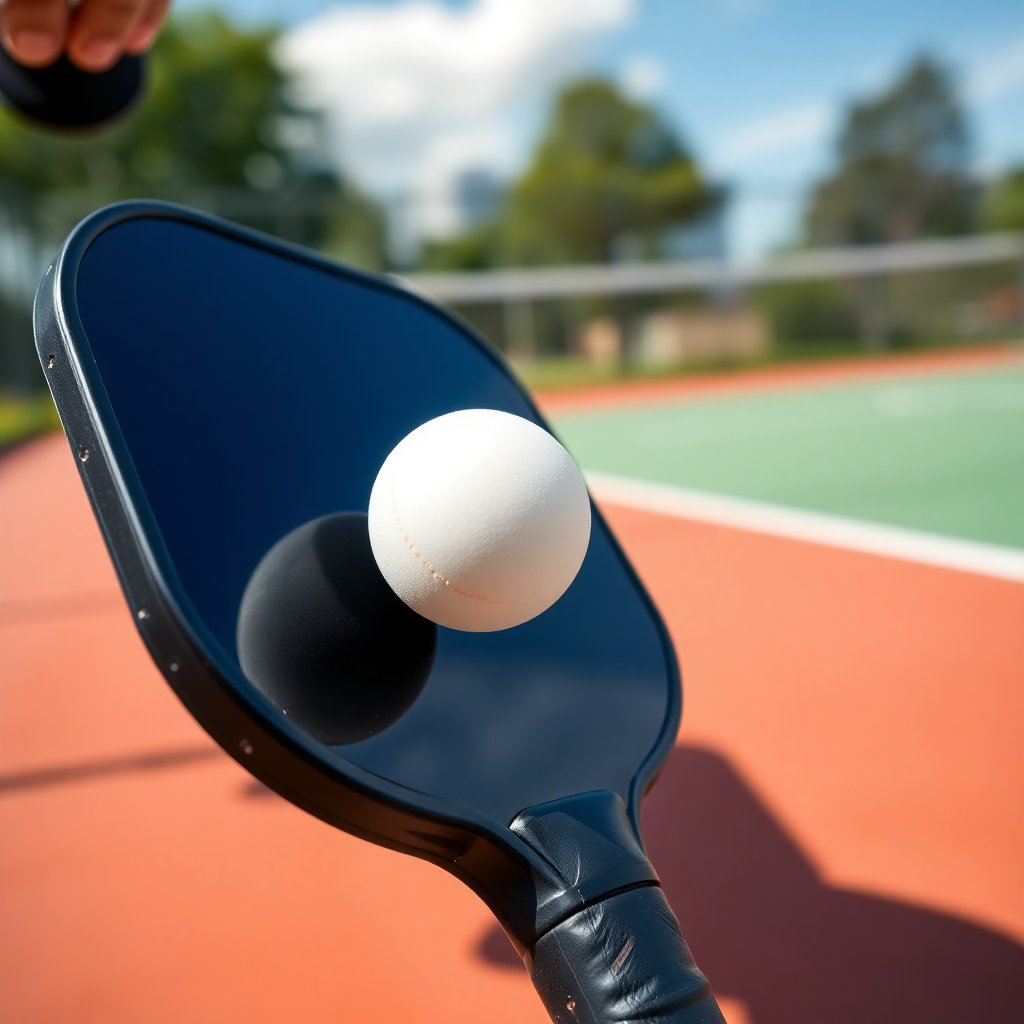
The pickleball paddle market has exploded in the last three years, and with it came a wave of $180–$250 "professional" paddles with exotic carbon fiber faces and proprietary foam cores. Some of them are genuinely excellent. Most people don't need them.
If you're a recreational player, a league competitor who plays 3–4 times a week, or someone shopping for a second paddle without wanting to spend premium prices, the sub-$100 market has gotten genuinely good. Here's what's worth buying.
What You Actually Get With a $100 Paddle
The honest breakdown: at $100 and under, you're looking at solid polymer or fiberglass face materials (not the expensive raw carbon fiber of premium paddles), standard foam core construction, and slightly heavier weight in many cases.
What you don't give up: control, spin potential, sweet spot consistency, and playability for all skill levels. The performance gap between a $90 paddle and a $200 paddle is real but smaller than the marketing suggests — and it matters a lot less at the recreational and intermediate level than technique does.
The area where budget paddles genuinely fall short: durability under heavy daily use, and the last 10% of spin and feel that advanced players notice at the net. For recreational play and intermediate competition, sub-$100 paddles are more than enough.
Best Pickleball Paddles Under $100
1. Selkirk Sport SLK Halo Control (Best Overall Under $100)
Selkirk is one of the most respected names in pickleball, and their SLK line brings the brand's paddle technology down to an accessible price point. The Halo Control features a textured fiberglass face with a responsive polymer core.
→ Shop Selkirk SLK paddles on Amazon
The elongated shape gives you a longer reach at the kitchen line. Weight runs medium (7.8–8.2 oz), which suits most players. The grip circumference is slightly larger than average — something to check if you have smaller hands.
Best for: Intermediate players who want a control-oriented paddle with brand credibility.
2. Joola Ben Johns Hyperion CFS (Best Under $100 for Spin)
The Ben Johns signature paddle line from Joola includes a version under the $100 threshold in certain configurations. The CFS (Carbon Friction Surface) face texture generates exceptional spin for the price point.
→ Shop Joola Ben Johns paddles on Amazon
If spin is your priority — and at the recreational-to-intermediate level, topspin groundstrokes and underspin drops are the shots that win most points — this paddle punches above its price class. The core is responsive without feeling too soft or too stiff.
Best for: Players developing a spin-heavy game who want to practice with gear that responds to technique improvements.
3. Engage Encore Pro (Best Value for Control Players)
Engage paddles are known for their nuanced feel at the net — a quality usually associated with more expensive paddles. The Encore Pro brings that reputation to the sub-$100 space.
→ Shop Engage Encore pickleball paddles on Amazon
The paddle has a slightly softer feel than stiffer carbon fiber alternatives, which suits players who prioritize dinking and kitchen game over baseline power. Mid-weight (7.8–8.4 oz) with a medium grip size.
Best for: Dink-focused players and anyone who prioritizes soft game and kitchen control.
4. Paddletek Bantam EX-L (Best for Beginners)
Paddletek's Bantam line is the standard recommendation for beginners because it combines a large sweet spot, forgiving polymer core, and a price that doesn't hurt when you're still learning.
→ Shop Paddletek Bantam pickleball paddles on Amazon
The wider body shape gives a larger contact zone than narrower elongated paddles, which is helpful when you're still developing consistent ball placement. The EX-L is 8.0–8.5 oz in most versions — slightly on the heavier side, which helps with drives but may fatigue some players during long sessions.
Best for: True beginners, returners to the game, casual recreational players.
5. HEAD Radical Pro (Best Under $100 for Power Players)
HEAD's Radical Pro brings the brand's tennis heritage into pickleball. The paddle is slightly heavier (8.4–9.0 oz in standard versions), has a composite face that emphasizes power, and has a traditional paddle shape with a generous sweet spot.
→ Shop HEAD Radical Pro pickleball paddle on Amazon
For players who come from tennis backgrounds and like to drive balls hard from the baseline, the extra weight works in their favor. Net players and dink-focused players may find it feels less responsive at the kitchen.
Best for: Players with tennis backgrounds, power-first game styles, baseline players.
Comparison Table: Under-$100 Paddles
| Paddle | Face Material | Weight | Best For | Style | |---|---|---|---|---| | Selkirk SLK Halo Control | Fiberglass | 7.8–8.2 oz | All-around intermediate | Control | | Joola Ben Johns Hyperion | Carbon friction | 7.8–8.3 oz | Spin development | Spin/All-around | | Engage Encore Pro | Composite | 7.8–8.4 oz | Soft game, dinking | Control | | Paddletek Bantam EX-L | Composite | 8.0–8.5 oz | Beginners | All-around | | HEAD Radical Pro | Composite | 8.4–9.0 oz | Power, tennis crossovers | Power |
What to Consider Before Buying
Weight matters more than most people think. Heavy paddles (8.5 oz+) give you power but tire your arm over long sessions. Light paddles (7.5 oz and under) are quick at the net but require more technique for drives. Most recreational players do best in the 7.8–8.4 oz range.
Grip size is often overlooked. Measure your palm from the crease at the base to the tip of your ring finger. A rough guide: under 4.25" = small grip, 4.25–4.5" = medium, over 4.5" = large. Using the wrong grip size causes arm fatigue and reduces control.
Shape affects where you play the most. Wide-body paddles (wider face, shorter handle) have larger sweet spots and are better for players who play at the net. Elongated paddles give more reach and are better suited for baseline players who like to drive.
You can always add an overgrip. Most paddle grips are slightly small from the factory. An overgrip layer costs $3 and adds about 1/8" to the circumference — it's the cheapest upgrade you can make to any paddle.
→ Shop pickleball overgrips on Amazon
When to Upgrade to a Premium Paddle
If you're playing 4+ times a week, competing in tournaments, and clearly feel limited by your paddle — not your technique — it's time to consider upgrading. The carbon fiber texture in $150–250 paddles genuinely does provide more spin feedback and longer-lasting surface texture than composites.
Until then, save the money. A great player with a $90 paddle beats an average player with a $250 paddle every time. Invest in lessons before gear.
For more pickleball guidance, see our complete beginner's guide to pickleball and our breakdown of pickleball vs tennis — what's actually different.
Frequently Asked Questions
What is the best pickleball paddle under $100?
The Selkirk SLK Halo Control is the best overall sub-$100 paddle — it combines Selkirk's brand quality with a textured fiberglass face, responsive polymer core, and elongated shape that performs well at the kitchen line. For spin-focused players, the Joola Ben Johns Hyperion CFS variant under $100 provides exceptional spin for the price. Either is a serious performance paddle that doesn't require a premium price.
Is a $100 pickleball paddle good enough for competition?
Yes, for recreational and intermediate competition. The performance gap between a $90 paddle and a $200+ carbon fiber paddle is real but relatively small, and it matters much less at recreational-to-intermediate skill levels than technique does. The main advantages of premium paddles — raw carbon fiber texture for sustained spin and slightly enhanced feel — become meaningful only when you're playing 4+ times per week and competing regularly.
What weight pickleball paddle should I buy?
Most recreational and intermediate players do best with a paddle in the 7.8–8.4 oz range. Heavy paddles (8.5 oz+) generate more power but cause arm fatigue over long sessions. Light paddles (7.5 oz and under) are fast at the net but require more technique for drives. If you have any history of arm or elbow issues, lean lighter.
What is the correct grip size for a pickleball paddle?
Measure from the crease at the base of your palm to the tip of your ring finger: under 4.25" = small grip, 4.25–4.5" = medium, over 4.5" = large. Using a grip that's too small forces you to squeeze harder and can cause arm fatigue; too large reduces wrist flexibility. You can always add an overgrip wrap ($3) to increase circumference by about 1/8".
When should I upgrade from a budget paddle to a premium one?
Upgrade when you're playing 4+ times per week, competing in tournaments, and genuinely feel limited by the paddle's performance — not your technique. Premium paddles offer better raw carbon fiber texture for sustained spin and slightly more sophisticated feel at the net. Until you're at that level, a well-chosen sub-$100 paddle is the smarter investment, and lessons will improve your game more than gear upgrades.
As an Amazon Associate we earn from qualifying purchases. This article contains affiliate links; if you buy through them we may earn a small commission at no additional cost to you.