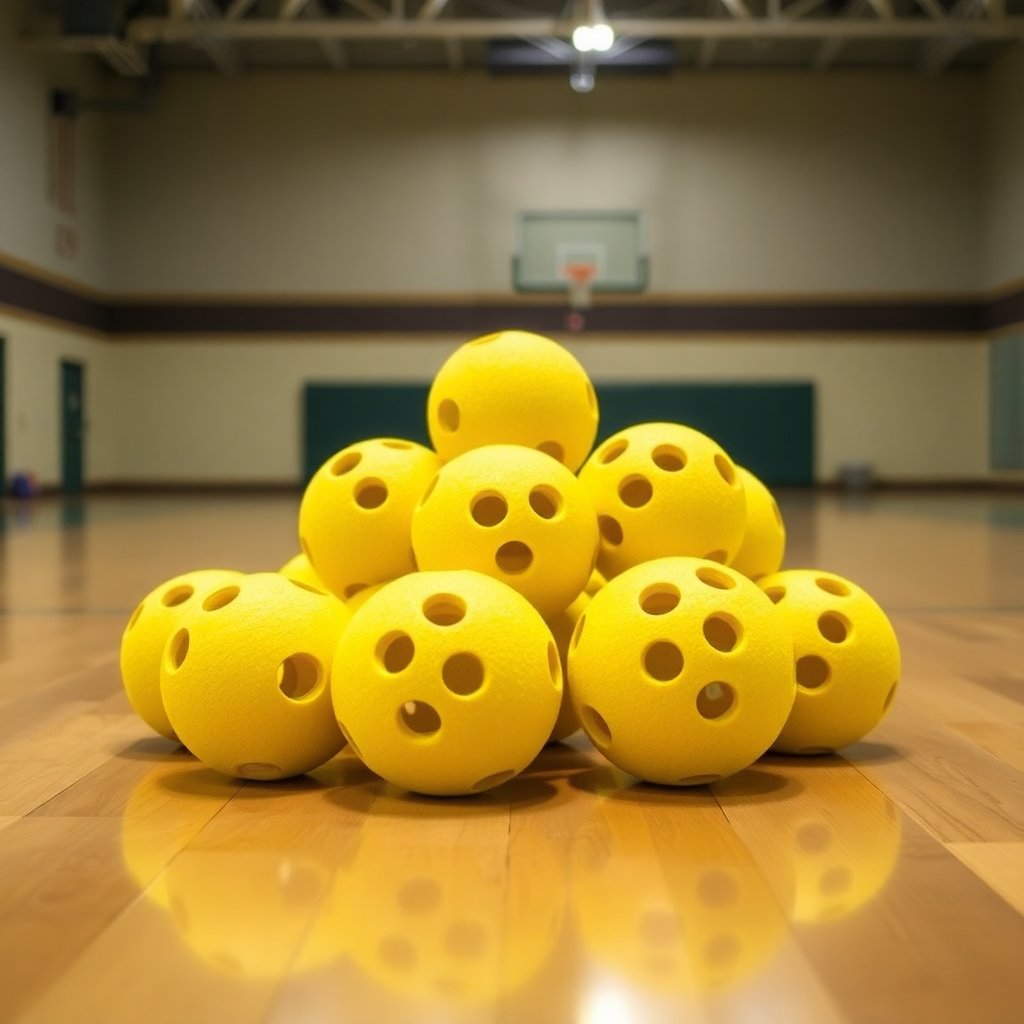
Cooler mornings and shorter evenings mean one thing for a lot of players: the outdoor courts are about to empty out and the gym reservations are about to fill up. Fall is indoor season, and the ball that felt perfect on the neighborhood asphalt all summer is about to feel wrong under a fluorescent-lit hardwood floor. If you have only ever bought outdoor balls, this is the moment to fix that, because the difference between an indoor and an outdoor ball is not marketing. It is a real, physical mismatch that changes how every rally plays.
This guide walks through what actually separates the two, which indoor balls are worth stocking in your bag for the 2026 season, and how to avoid the most common mistake players make when they move indoors for the first time.
As an Amazon Associate we earn from qualifying purchases. If you already know what you need, you can → Shop indoor pickleball balls on Amazon and check the listing for the hole count and weight before you buy.
Why an Indoor Ball Is a Different Animal
The easiest way to tell an indoor ball from an outdoor ball is to count the holes. Indoor balls typically have 26 larger holes, while outdoor balls typically have 40 smaller ones. That single design choice cascades into almost every difference you feel on the court.
Weight and material. Indoor balls are lighter and made from a softer plastic. Outdoor balls use a harder, denser resin so they can survive the friction of concrete and asphalt without cracking after a weekend. Put a soft indoor ball on rough outdoor concrete and it will scuff and split fast. Put a hard outdoor ball on a smooth gym floor and it plays too fast and skids unpredictably off the slick surface.
Flight and speed. The larger holes and lighter weight slow an indoor ball down. It carries less through the air, sits up a touch higher off a smooth floor, and rewards touch over raw power. That makes indoor play feel more like a chess match of dinks and resets, which is exactly what many gym-league players love about it.
Bounce consistency. Gym floors are flat and predictable, so a softer ball gives you a truer, more repeatable bounce. On a rough outdoor court that same softness would produce a dead, inconsistent hop.
For a deeper breakdown of how the two surfaces change your whole game, our guide on indoor vs outdoor pickleball covers the strategy side, not just the equipment.
The One Mistake Most Players Make
Here is the wrinkle worth knowing before you spend money. A growing number of "indoor" facilities are not old-school wooden gym floors anymore. They are dedicated hard courts built inside a climate-controlled building. On those surfaces you actually want an outdoor ball, because the court plays like an outdoor court that happens to have a roof over it.
So the honest rule is: match the ball to the surface, not the ceiling. If you are playing on a true wood or smooth sport-tile gym floor, buy indoor balls. If your "indoor" venue laid down cushioned acrylic hard courts, an outdoor ball will serve you better. When in doubt, ask the venue what the floor is, or bring one sleeve of each for your first visit and feel it out.
Best Indoor Pickleball Balls for 2026
These picks reflect what is widely available and well regarded going into the fall season. Availability and pricing shift constantly, so treat the categories as the guide and verify the current listing before buying.
Best Overall: A Classic 26-Hole Indoor Ball
The long-standing 26-hole indoor design remains the reference point for gym play in 2026. It is soft enough to keep rallies alive, light enough to slow the pace, and consistent enough for league nights where everyone needs the same ball behavior. A well-known example is the Onix Fuse Indoor, a staple in rec centers for years.
If you want the safe default that most gyms already use, this is it. → Shop 26-hole indoor pickleball balls on Amazon
Best for: league nights, drop-in gym sessions, players who want the standard everyone recognizes.
Best for Control and Long Rallies: Soft-Play Indoor Balls
Some indoor balls lean even softer, prioritizing a slow, floaty flight that makes extended dink battles and reset drills feel effortless. If your group plays a patient, kitchen-heavy style, a softer indoor ball rewards it. The trade-off is durability, since softer plastic can crack sooner, so keep spares.
Best for: touch players, drilling third-shot drops and dinks, quieter recreational play.
Best for Durability: Reinforced Indoor Balls
Softer balls crack. That is the recurring complaint with indoor play, and it is why some 2026 options market reinforced seams and slightly tougher plastic that resists splitting through a full season of hard hits. You give up a hair of softness for balls that last more sessions per sleeve.
If you go through balls quickly, buying a durability-focused pack in bulk usually costs less per session. → Shop durable indoor pickleball balls in bulk on Amazon
Best for: frequent players, coaches running drills, anyone tired of replacing cracked balls.
How Many Should You Actually Buy
Indoor balls crack more readily than outdoor balls, a point that gear checklists repeat for good reason. According to Pickleball.com, keeping several balls in your bag is standard practice precisely because indoor balls have a shorter lifespan.
A practical starting point for the season:
- Casual weekly player: a sleeve of three to six, replaced as they crack.
- League or drop-in regular: a dozen, so a mid-session crack never stops play.
- Coach or drilling group: a bulk pack of two dozen or more, because drills chew through balls fast.
Buying a larger pack up front almost always lowers your cost per ball, and it means you are never the person holding up a game hunting for a spare.
Reading a Listing Before You Buy
When you land on a product page, check three things quickly. First, the hole count should say 26 for a true indoor ball. Second, the weight should be on the lighter end, since heavier balls skew outdoor. Third, look for a note about indoor use or gym floors in the description rather than assuming from the name alone. Plenty of listings bundle "indoor/outdoor" language to widen their audience, and those are usually optimized for one surface at the expense of the other.
If you are still building out a full kit for fall, it is worth pairing the right ball with the right shoes and grip. Our rundown on pickleball paddle grip tape covers the cheap upgrade that most players overlook when they move indoors and their hands sweat more in a warm gym.
A Quick Note on Noise
Indoor play in a shared gym raises a concern outdoor players rarely think about: sound. A hard outdoor ball off a hardwood floor in an echoey gym is loud, and some facilities specifically ask for softer indoor balls or even quiet-play balls to keep the noise down for neighboring activities. If your venue shares space with yoga classes or basketball, a softer indoor ball is not just a performance choice. It can be a house rule.
The Bottom Line for Fall
Moving indoors is not the time to keep playing your summer ball out of habit. Match the ball to the floor you are actually standing on: soft 26-hole indoor balls for smooth gym surfaces, outdoor balls for the hard courts hiding under a roof. Stock a few extras because indoor balls crack, buy in bulk if you play often, and check the hole count and weight on every listing before you add it to your cart.
Get that right and the fall season plays clean, quiet, and consistent, which is the whole point of coming inside when the weather turns. → Shop indoor pickleball balls for fall on Amazon and you will be ready before the first cold snap sends everyone to the gym.
This article is for general informational purposes and reflects gear available as of publication. Prices, availability, and product specs change frequently, so verify current listing details before purchasing.
As an Amazon Associate we earn from qualifying purchases. This article contains affiliate links; if you buy through them we may earn a small commission at no additional cost to you.