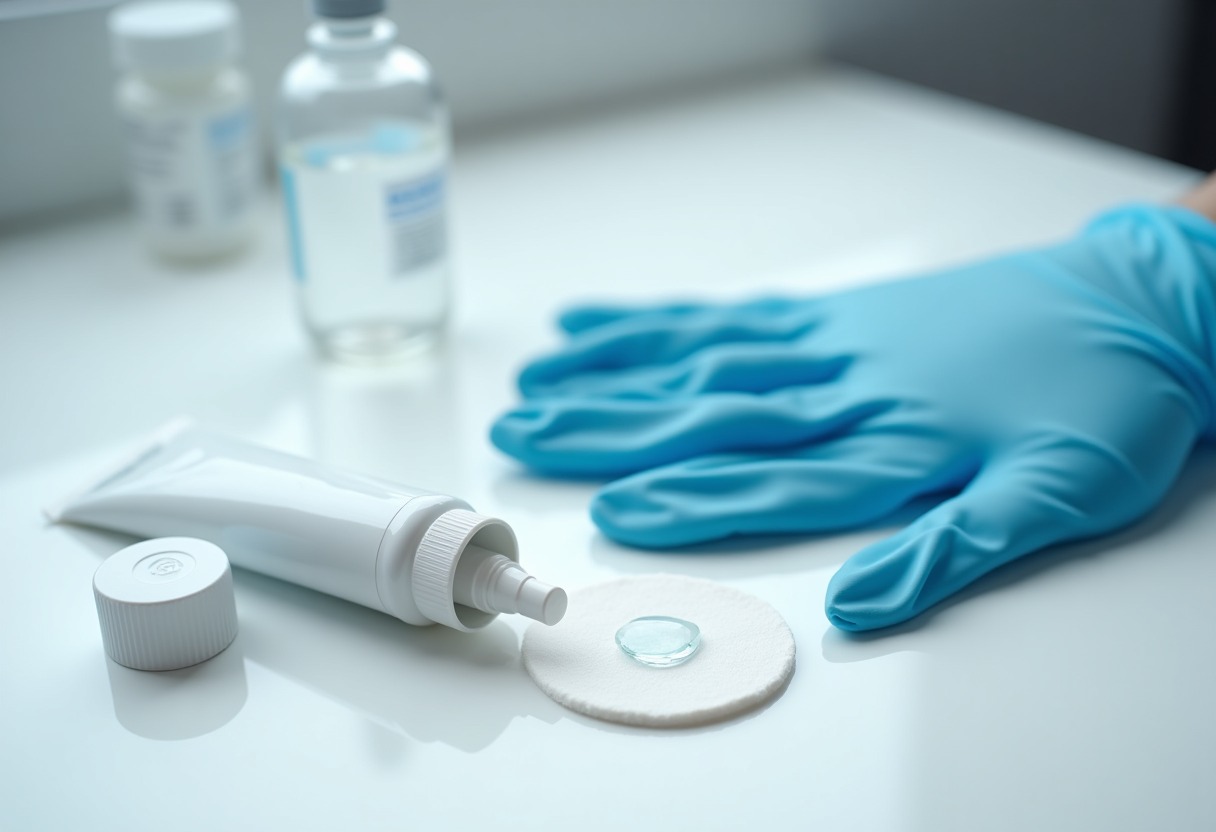
Most tattoo shops have a love-hate relationship with numbing creams — they can transform a brutal six-hour session into something manageable, but only when used correctly. The wrong product, timing, or application can interfere with ink saturation, extend healing time, or create safety risks that turn your dream piece into a medical emergency.
Why Tattoo Numbing Cream Works (And When It Doesn't)
Tattoo numbing cream contains topical anesthetics — primarily lidocaine, benzocaine, or prilocaine — that block sodium channels in nerve cells. This prevents pain signals from reaching your brain during the tattooing process. The concentration typically ranges from 2% to 5% in over-the-counter formulations, with prescription-strength products reaching up to 20%.
The effectiveness depends on skin thickness, body location, and individual pain tolerance. Ribs, spine, and inner bicep areas respond better to numbing agents due to thinner skin layers, while heavily muscled areas like shoulders and calves show less dramatic results. According to the American Academy of Dermatology, topical anesthetics typically reduce sensation by 60-80% when applied correctly.
Most artists accept numbing cream use but prefer clients who communicate beforehand. Some refuse to work on heavily numbed skin because they can't gauge client comfort levels, which helps them adjust needle depth and technique. The cream can also affect how ink sits in the skin during the first pass, requiring technique adjustments.
When and How to Apply Tattoo Numbing Cream
Timing determines everything with tattoo anesthetic application. Apply the cream 30-60 minutes before your appointment, depending on the product strength. Stronger concentrations (4-5% lidocaine) need only 30 minutes, while gentler formulations require the full hour to achieve maximum effectiveness.
Clean the tattoo area thoroughly with antibacterial soap and pat dry. Apply a thick, even layer of → Shop tattoo numbing cream on Amazon — roughly the thickness of a coin — covering the entire area plus a half-inch border around the planned tattoo. The coverage needs to be generous; thin applications provide inconsistent numbing.
Cover the cream with plastic wrap and secure with medical tape. This occlusion method intensifies the numbing effect by preventing evaporation and increasing skin penetration. Remove the plastic and wipe away excess cream just before the artist begins. Some cream residue actually helps the tattooing process by providing additional slip for the needle.
Never apply numbing cream to broken skin, existing tattoos, or infected areas. Skip the numbing cream if you have known allergies to lidocaine, benzocaine, or similar compounds. Pregnant clients should consult their healthcare provider before using any topical anesthetic.
Types of Tattoo Pain Relief Products Compared
Different numbing products serve specific purposes and work better for different tattoo styles and durations:
| Product Type | Active Ingredient | Duration | Best For | Application Time | |--------------|------------------|----------|----------|------------------| | Lidocaine Cream | 4-5% Lidocaine | 2-4 hours | Long sessions, line work | 30-45 minutes | | Benzocaine Gel | 20% Benzocaine | 1-2 hours | Touch-ups, small pieces | 15-30 minutes | | Combination Formula | Lidocaine + Prilocaine | 3-5 hours | Large pieces, shading | 45-60 minutes | | Spray Application | 4% Lidocaine | 45-90 minutes | Quick relief, sensitive areas | 10-15 minutes |
Lidocaine-based products offer the most reliable results for extended tattoo sessions. The 4-5% concentration provides consistent numbing without the safety concerns of higher percentages. Benzocaine works faster but wears off quickly, making it ideal for smaller tattoos or touch-up work.
Combination formulas containing both lidocaine and prilocaine create deeper, longer-lasting numbness but require more preparation time. These work exceptionally well for large-scale pieces requiring multiple hours of work. → Shop lidocaine cream on Amazon for reliable options across different concentration levels.
Recommended Tattoo Numbing Products
TKTX Gold 55% leads the market for serious collectors tackling large pieces. The lidocaine and prilocaine combination provides 4-6 hours of effective numbing with consistent coverage. Apply 45 minutes before your session with plastic wrap occlusion. The gold packaging indicates the strongest formulation in their line.
Dr. Numb offers pharmaceutical-grade 5% lidocaine in a cream base that spreads evenly and absorbs well. This product works particularly well for line work and smaller tattoos lasting 2-3 hours. The addition of vitamin E helps protect skin during the tattooing process.
Hush Anesthetic combines lidocaine with natural ingredients like aloe vera and vitamin E. The gentler formulation suits sensitive skin types and first-time tattoo recipients. It provides 2-3 hours of moderate numbing — enough for most standard tattoo sessions without overwhelming the skin.
For spray applications, Bactine Pain Relief delivers quick, targeted numbing for touch-ups or particularly sensitive areas. The 4% lidocaine concentration kicks in within 10 minutes and lasts about an hour. → Shop topical anesthetic gel on Amazon for additional options across different application methods.
UberNumb provides 5% lidocaine in a thick cream formula that stays put during application. The addition of epinephrine helps reduce bleeding and swelling during the tattoo process. This product works best for artists who prefer working on slightly numbed skin rather than completely anesthetized areas.
Advanced Numbing Strategies Most Guides Miss
Professional tattoo collectors use layered numbing approaches for marathon sessions. Apply your primary numbing cream 45 minutes before the session, then have your artist apply a secondary numbing gel during breaks. This maintains consistent pain relief throughout 6+ hour sessions without overloading your system with anesthetic.
Temperature affects numbing cream absorption significantly. Store your numbing cream at room temperature — cold cream penetrates poorly, while warm cream can cause irritation. Some collectors warm the tube in their hands for 2-3 minutes before application to optimize absorption rates.
Hydration plays a crucial role in numbing effectiveness. Well-hydrated skin absorbs topical anesthetics more efficiently than dry skin. Drink plenty of water the day before your appointment and avoid alcohol, which dehydrates skin and can interfere with anesthetic absorption.
Consider timing your appointment around your pain tolerance patterns. Most people have higher pain tolerance in the morning when cortisol levels peak naturally. Afternoon sessions often require stronger numbing products or more frequent reapplication.
→ Shop numbing spray tattoo on Amazon for quick-acting options that complement longer-lasting creams during extended sessions.
Frequently Asked Questions
How long before my tattoo appointment should I apply numbing cream? Apply numbing cream 30-60 minutes before your appointment, depending on the product strength and your skin type. Lidocaine concentrations of 4-5% typically need 30-45 minutes to reach full effectiveness, while combination formulas with prilocaine require 45-60 minutes. Always cover with plastic wrap during this waiting period to maximize absorption. Your artist will wipe away excess cream before starting, but some residue actually helps the tattooing process by providing additional lubrication.
Can I use numbing cream on any part of my body for tattoos? Most body areas respond well to numbing cream, but effectiveness varies significantly by location. Thinner skin areas like ribs, inner arms, and ankles absorb numbing agents more effectively than thick-skinned areas like shoulders and calves. Avoid using numbing cream on broken skin, existing tattoos, or areas with active infections. Face tattoos require extra caution — consult your artist and consider patch testing 24 hours before your appointment to check for adverse reactions.
Will numbing cream affect my tattoo quality or healing? Properly applied numbing cream shouldn't affect tattoo quality, but heavy application can interfere with ink saturation during the first pass. Experienced artists adjust their technique when working on numbed skin by potentially going over areas multiple times or adjusting needle depth. The cream doesn't impact healing time when removed completely before tattooing begins. However, leaving residue on the skin or using products with additional ingredients like petroleum can affect how the tattoo settles during the initial healing phase covered in our Tattoo Healing Stages Week By Week guide.
Are there any safety risks with tattoo numbing creams? The primary safety concern involves allergic reactions to lidocaine, benzocaine, or other active ingredients. Symptoms include excessive redness, swelling, or burning sensations beyond normal tattoo discomfort. Never exceed recommended application amounts — using too much numbing cream can lead to systemic absorption and potentially dangerous side effects. People with heart conditions, those taking certain medications, or pregnant women should consult healthcare providers before using any topical anesthetic. Always patch test new products 24-48 hours before your tattoo appointment.
How much numbing cream should I buy for my tattoo session? Purchase amounts depend on your tattoo size and session length. A standard 1-ounce tube covers approximately 4-6 inches of skin area with proper thickness application. Small tattoos (under 3 inches) need about 0.5 ounces, while large pieces covering an entire shoulder or back panel require 2-3 ounces minimum. → Shop tattoo pain relief products on Amazon in various sizes to match your specific needs. Buy slightly more than calculated — running out mid-session means enduring the remainder without pain relief, and unopened tubes typically have 2-3 year shelf lives.
The right numbing cream transforms tattooing from an endurance test into an art experience you can actually enjoy, but only when matched correctly to your skin, session length, and artist preferences.
Some links on this page are affiliate links. We may earn a small commission if you purchase through them, at no extra cost to you.