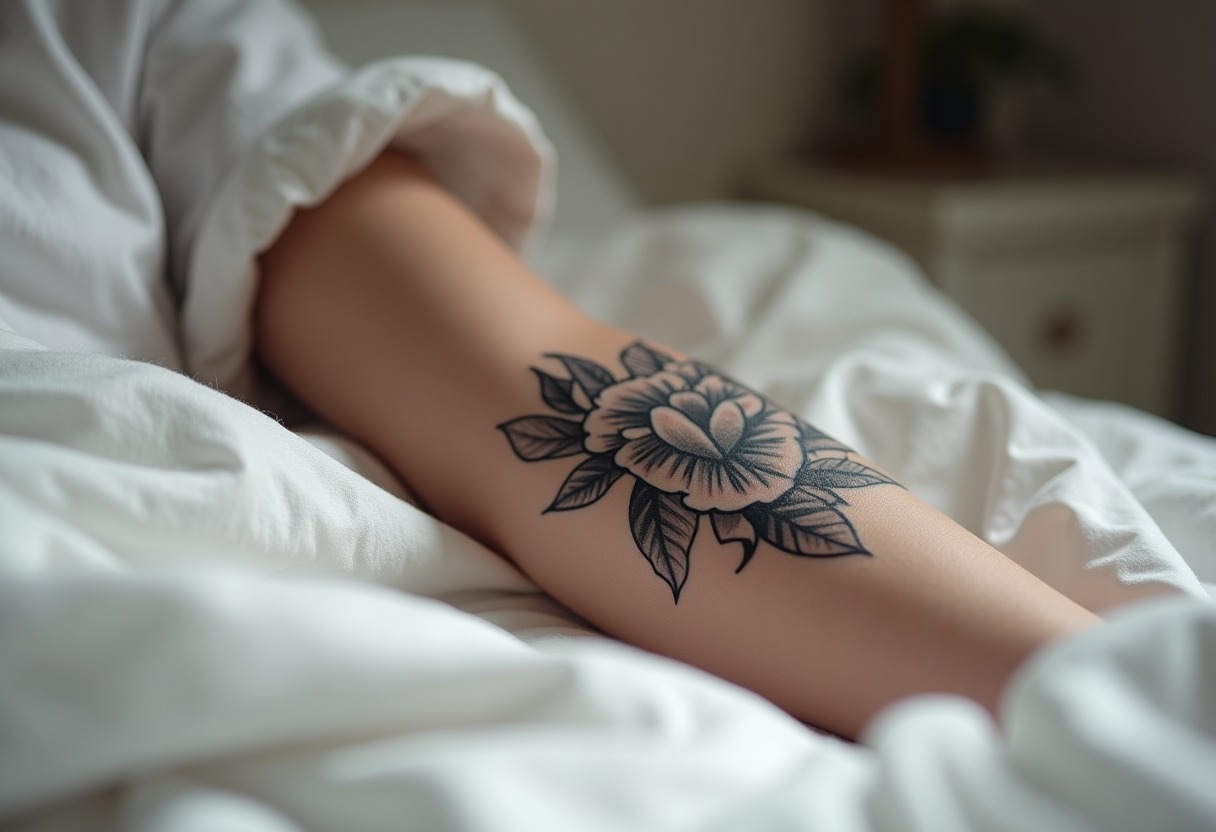
Your fresh tattoo healing process follows a predictable timeline — understanding each stage prevents panic when your skin peels or your colors look dull at week three. Most collectors obsess over their new ink, checking for problems that are actually normal healing markers.
Understanding Tattoo Wound Recovery
Tattoos create controlled trauma through thousands of needle punctures, reaching 1.5-2mm into your dermis. The American Academy of Dermatology confirms that proper wound care significantly impacts final healing outcomes. Your body responds to this trauma with inflammation, cellular repair, and tissue reconstruction — the same process as any wound, but with permanent pigment deposits.
Professional tattoo aftercare differs from general wound care because you're protecting both healing skin and embedded ink. Poor aftercare doesn't just risk infection; it causes color loss, line blowouts, and texture issues that require expensive touch-ups or cover-work.
Week 1-2: Initial Healing Phase
Week one brings the most dramatic changes. Your tattoo starts as an open wound — red, swollen, and tender to touch. Plasma and excess ink create a thin film over the surface, making colors appear extremely vibrant but slightly raised.
Days 1-3 show peak inflammation. Expect moderate swelling, especially on areas with thin skin like wrists or ankles. The tattoo weeps clear fluid mixed with excess ink — completely normal. → Shop antibacterial soap on Amazon for gentle cleaning during this stage.
By day 4-7, initial scabbing begins. Thin, dark scabs form over the tattoo surface. These scabs contain excess ink, which is why they appear so dark. Never pick or scratch — damaged scabs pull ink from the healing dermis, creating permanent light spots.
Week two introduces the first major peeling phase. Large flakes of skin containing ink shed naturally. Your tattoo looks dramatically different — colors appear faded and patchy. This terrifies first-timers, but represents normal healing. The vivid colors underneath are still there, just obscured by healing skin layers.
Advanced Healing: Weeks 3-8
Week three through four marks the deep healing phase. Surface healing completes, but dermal repair continues. Your tattoo enters the "ugly phase" — colors look washed out, lines may appear fuzzy, and the skin feels slightly rough.
| Week | Surface Appearance | Skin Texture | Color Visibility | Care Requirements | |------|-------------------|---------------|------------------|-------------------| | 3-4 | Dull, faded colors | Slightly rough, dry | 60-70% of final result | Heavy moisturizing | | 5-6 | Colors brightening | Smoother, occasional flaking | 80-85% of final result | Continued moisturizing | | 7-8 | Near-final appearance | Normal skin texture | 90-95% of final result | Regular moisturizing | | 9-12 | Fully settled colors | Completely normal | 100% final result | Standard skin care |
Weeks 5-6 show significant improvement. Colors begin returning to their intended vibrancy as the new skin layer thins and settles. Minor flaking may continue, especially in areas that bend frequently like elbows or knees.
→ Shop fragrance free moisturizer on Amazon becomes crucial during weeks 3-6. Proper hydration prevents excessive scabbing and maintains skin elasticity during the settling process.
Essential Aftercare Products for Each Stage
Week 1-2 requires gentle, antimicrobial products. → Shop tattoo healing balm on Amazon provides the thick, protective barrier needed during initial healing. Look for products containing ingredients like shea butter, coconut oil, and vitamin E.
→ Shop second skin bandages on Amazon offer modern protection for the first 3-5 days. These transparent, breathable films protect against bacteria while allowing your tattoo to breathe. Many artists now prefer these over traditional plastic wrap.
Weeks 3-8 benefit from lighter → Shop tattoo aftercare lotion on Amazon. Switch from heavy balms to daily moisturizers that absorb quickly without clogging healing pores. Avoid products with fragrances, alcohol, or petroleum derivatives.
Hidden Factors That Impact Healing Speed
Tattoo placement significantly affects healing timeline. Areas with high movement (hands, feet, joints) heal 25-50% slower than stable locations like shoulders or calves. Thin-skinned areas like ribs experience more pronounced peeling phases.
Your artist's technique matters more than most collectors realize. Heavy-handed work creates deeper trauma, extending the healing timeline by 1-2 weeks. Conversely, experienced artists who work efficiently create less tissue damage, promoting faster, cleaner healing.
Age and health status directly correlate with healing speed. Collectors under 25 typically complete healing 20-30% faster than those over 40. Smoking, diabetes, and autoimmune conditions can double normal healing times. Proper nutrition accelerates cellular repair — adequate protein intake supports collagen synthesis crucial for dermal healing.
Seasonal timing affects outcomes. Winter healing often produces better results due to reduced sun exposure and lower humidity levels that prevent bacterial growth. Summer tattoos require extra vigilance against UV damage and swimming pool chemicals.
For collectors exploring traditional Japanese work, our Japanese Tattoo Aftercare guide covers specific considerations for large-scale pieces and traditional pigments.
Frequently Asked Questions
When can I shower normally after getting a tattoo? You can shower 24-48 hours after getting tattooed, but avoid direct water pressure on the fresh tattoo for the first week. Use lukewarm water and gentle, fragrance-free soap to clean around the area. Pat dry with a clean towel — never rub the healing skin. Avoid baths, hot tubs, and swimming pools for at least 2-3 weeks to prevent bacterial infection and ink loss from prolonged water exposure.
Why does my tattoo look faded and patchy at week 3? Week 3-4 represents the "ugly phase" of healing when your tattoo appears significantly faded and uneven. This happens because new skin cells have formed over the ink deposits, creating a cloudy layer that obscures the true colors underneath. The original vibrant appearance returns gradually as this new skin layer thins and settles over the following 2-4 weeks. This phase is completely normal and doesn't indicate problems with the tattoo or healing process.
Can I exercise during tattoo healing stages? Light exercise is fine after the first 48 hours, but avoid activities that cause excessive sweating or stretching of the tattooed area for 1-2 weeks. Heavy sweating can introduce bacteria and wash away protective scabs, while stretching movements can cause cracking and delayed healing. Swimming, hot yoga, and intense cardio should wait until week 3-4 when surface healing completes. Listen to your body — if the tattoo feels tight or painful during movement, reduce activity intensity.
What's the difference between normal peeling and infection signs? Normal peeling produces thin, dry flakes of skin containing ink, typically starting around day 5-7. The skin underneath appears pink but healthy, and there's no unusual odor. Infection signs include thick yellow or green discharge, excessive redness spreading beyond the tattoo borders, unusual warmth, severe pain that worsens rather than improves, and red streaking from the tattoo site. If you experience fever, swollen lymph nodes, or increasing pain after day 3-4, contact your artist or healthcare provider immediately.
When should I schedule a touch-up appointment? Wait a full 6-8 weeks before evaluating your tattoo for touch-up needs. Most apparent "problems" at 3-4 weeks resolve naturally as healing completes. Schedule touch-ups only after the tattoo has fully settled and you can assess the true final result. Common touch-up needs include small areas where scabs were accidentally removed, fine line work that may have spread slightly during healing, or color saturation issues in areas that experienced heavy peeling. Most reputable artists include minor touch-ups in their original price if needed within 3 months.
Understanding these tattoo healing stages removes the guesswork from aftercare and helps you achieve the best possible results from your investment in quality ink.
Some links on this page are affiliate links. We may earn a small commission if you purchase through them, at no extra cost to you.