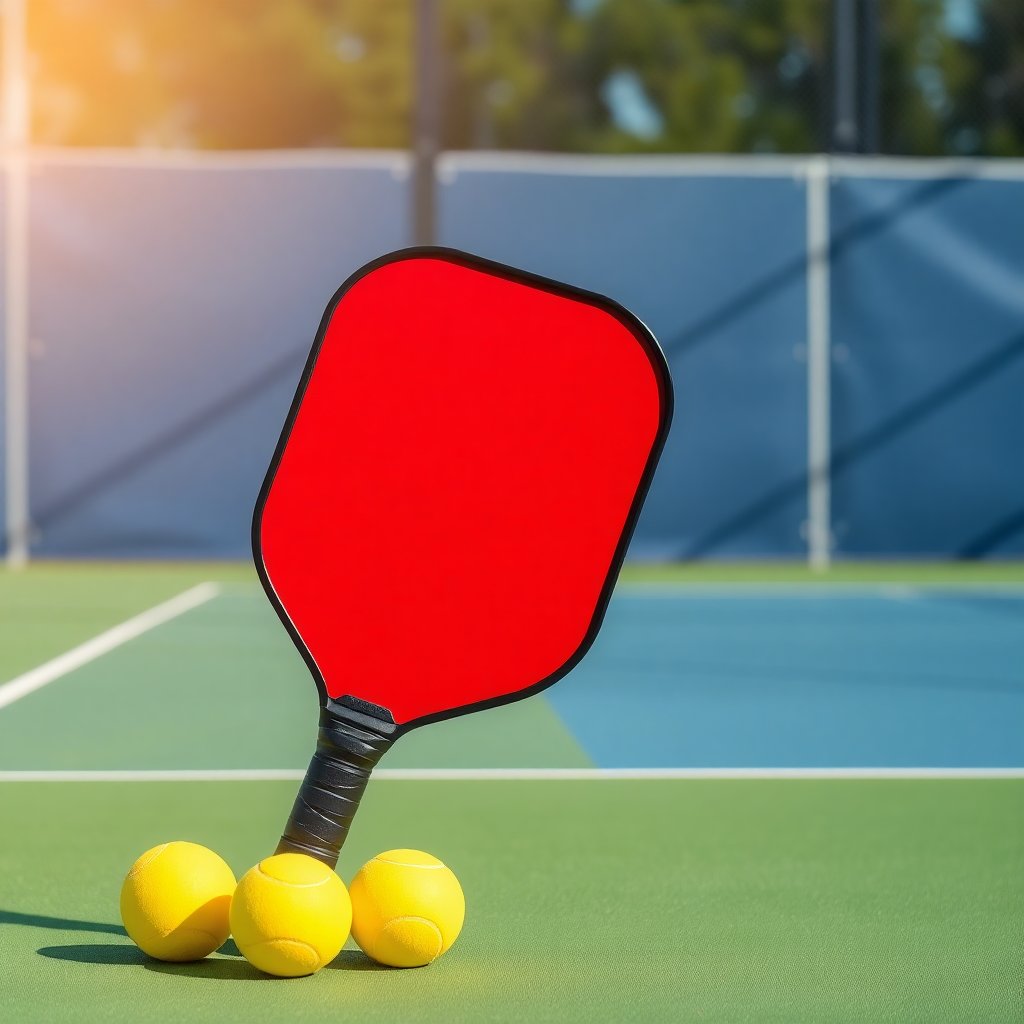
Open play is where pickleball is most fun, but it is a poor place to fix a weakness. The pace is social, the points are random, and your worst shots rarely get the repetition they need to improve. Drilling is the opposite. You pick one skill, isolate it, and hit it fifty times in a row until your hands learn the pattern. Players who spend even twenty focused minutes a week on structured drills tend to climb from 3.0 to 3.5 and beyond far faster than players who only ever play games.
As an Amazon Associate we earn from qualifying purchases. The good news is that most of the drills below need almost nothing: a paddle, a few balls, and a bit of space. When some practice gear genuinely helps, you can → Shop pickleball practice equipment on Amazon and compare current options, but read on first so you buy the thing that actually matches how you plan to train.
Why Drilling Beats Playing for Improvement
The logic is simple. In a typical recreational game you might hit three or four third-shot drops over eleven points. In a ten-minute drilling block you can hit sixty. That difference in volume is the whole story. Skills are built through deliberate, repeated reps with quick feedback, not through the occasional live attempt under pressure.
USA Pickleball makes a similar point in its own player development material: the organization encourages structured practice and skills progression rather than relying on match play alone to develop technique. You can read more about official skill ratings and development on the USA Pickleball website, which is a useful anchor for setting goals as you move up through the levels.
Treat drilling like strength training. Pick two or three skills per session, work each in a focused block, rest briefly, and then finish with a few minutes of live play so you can feel the new skill under game conditions.
Solo Drills You Can Do Without a Partner
Not having a partner is no excuse. Some of the most valuable reps in pickleball are the ones you can grind out alone.
Wall Drills
A flat exterior wall or a garage door is the single most underrated practice tool in the sport. Stand roughly seven to ten feet back and hit controlled shots against the wall, letting each rebound come back to you. Start with soft dinks, then work into drives, resets, and volleys. The wall never gets tired and never misses, so you get a relentless stream of balls.
Keep your reps honest. Count how many consecutive dinks you can control below shoulder height, and try to beat that number each session. If you want to protect your garage door and get a more predictable bounce, a dedicated rebound board or net helps a lot. You can → Shop pickleball rebounders and practice walls on Amazon to see freestanding options that angle the ball back at dink height.
Serve Target Practice
The serve is the only shot in pickleball you hit from a dead stop with no pressure, which makes it the easiest shot to groom to near perfection. Set up targets in the back corners of the service box, grab a bucket of balls, and serve to each target in turn. Track how many out of twenty you land deep. Deep serves push your opponent back and buy your partner time, so this is high-value practice.
Spend a little on a bucket of outdoor balls so you are not chasing a handful of balls across the court every ninety seconds. Having twenty or more balls on hand keeps you in rhythm, and you can → Shop pickleball balls in bulk on Amazon to find reasonably priced multipacks.
Shadow Footwork and Split-Step Reps
No ball required. Stand at the kitchen line and rehearse the footwork patterns you use in a real point: the split step as your opponent contacts the ball, the small adjustment steps to reset your base, and the controlled move back after a lob. Doing this slowly and correctly a few dozen times teaches your feet a default position so you are balanced when the real ball arrives. An agility ladder on the driveway makes this more structured if you want to build in speed work.
Ball Machine Reps
If you drill alone often and you are serious about improvement, a ball machine changes everything. It feeds you a consistent ball to the same spot every time, which is exactly what deliberate practice wants. You can run two hundred third-shot drops in a session without a partner, dialing in the arc and depth until the shot becomes automatic. These are an investment, so it is worth reading a full breakdown before you buy, which is why we put together a guide to the best pickleball ball machines for 2026 comparing feed rates, battery life, and price.
Partner Drills for Two Players
When you do have a partner, resist the urge to immediately play games. Spend the first fifteen minutes drilling and you will both improve faster.
Dink Rally Cross-Court
Both players stand at the kitchen line, diagonally across from each other, and dink the ball back and forth cross-court. The goal is not to win the exchange; it is to keep the ball low, controlled, and landing in the kitchen. Count your consecutive dinks and chase a team record. Cross-court dinking is the backbone of the soft game, and if your technique needs work, our breakdown of how to dink in pickleball walks through grip, contact point, and the common mistakes that send the ball popping up.
Once you can rally twenty in a row comfortably, add a wrinkle. One player tries to sneak in an occasional speed-up, and the other practices the block and reset. This bridges the gap between calm drilling and the chaos of a real point.
Third-Shot Drop Feed
One player stands at the baseline and the other at the kitchen. The baseline player hits third-shot drops, aiming to land the ball softly in the kitchen so it cannot be attacked. The net player feeds a return each time. After twenty reps, switch roles. The third-shot drop is the hardest shot for most intermediate players to learn, and it only comes from volume. If you are new to the shot, start with our full third-shot drop guide to understand the arc and purpose before you drill it.
Volley-to-Volley Hands Battles
Both players stand at the kitchen line and hit quick, controlled volleys straight at each other, gradually increasing pace. This builds the fast hands you need at the net and trains you to keep your paddle up and in front. Keep the exchanges soft at first and only speed up once both players can control the ball. Protective eyewear is smart here because the ball moves fast at close range.
Serve and Return Depth Game
Treat the serve and return as a mini-game. The server tries to land deep serves, the returner tries to hit a deep return and get to the kitchen line before the next shot. Award a point for each deep ball. This rehearses the single most important sequence in doubles: getting both players up to the net safely.
Building a Simple Home Practice Setup
You do not need a full court to drill effectively. A driveway, a garage wall, or a quiet stretch of a local court will do. A few inexpensive additions make home practice far more productive.
A portable net lets you run dinking and drop drills at correct height in a driveway or cul-de-sac. Court marking tape or chalk lets you mark a kitchen line and service boxes so you are aiming at real targets. A ball hopper or large mesh bag saves your back during serve practice. For a tidy all-in-one option you can → Shop portable pickleball net and court setups on Amazon to compare regulation-height nets that fold down for storage.
If you train on hard surfaces like concrete, pay attention to your footwear and your arm. Repetitive hitting on an unforgiving surface can aggravate the elbow and wrist, so warm up, and read our notes on protecting your joints during heavy practice loads.
A Sample 30-Minute Home Session
Here is a template you can run alone with a wall and a bucket of balls:
- Minutes 0 to 5: Shadow footwork and split-step reps to warm up.
- Minutes 5 to 12: Wall dinks, counting consecutive controlled reps below shoulder height.
- Minutes 12 to 20: Serve target practice, twenty serves to each back corner.
- Minutes 20 to 27: Wall drives and resets, alternating hard and soft.
- Minutes 27 to 30: Cool down with slow, deliberate dinks and a few shadow drops.
With a partner, swap the wall blocks for cross-court dinking, third-shot-drop feeds, and a hands battle, and finish with the serve-and-return depth game.
The Bottom Line
Improvement in pickleball is far more about structured reps than about hours logged in open play. Pick two or three skills, isolate them, and grind out honest repetitions, whether that means dinking against a garage door, feeding drops to a partner, or running a ball machine. The gear that helps is modest and affordable: a bucket of balls, a rebounder or portable net, and court tape are enough to turn any driveway into a practice court. Train deliberately for a few weeks and the difference will show up the next time you step into a real game.
As an Amazon Associate we earn from qualifying purchases. This article contains affiliate links; if you buy through them we may earn a small commission at no additional cost to you.