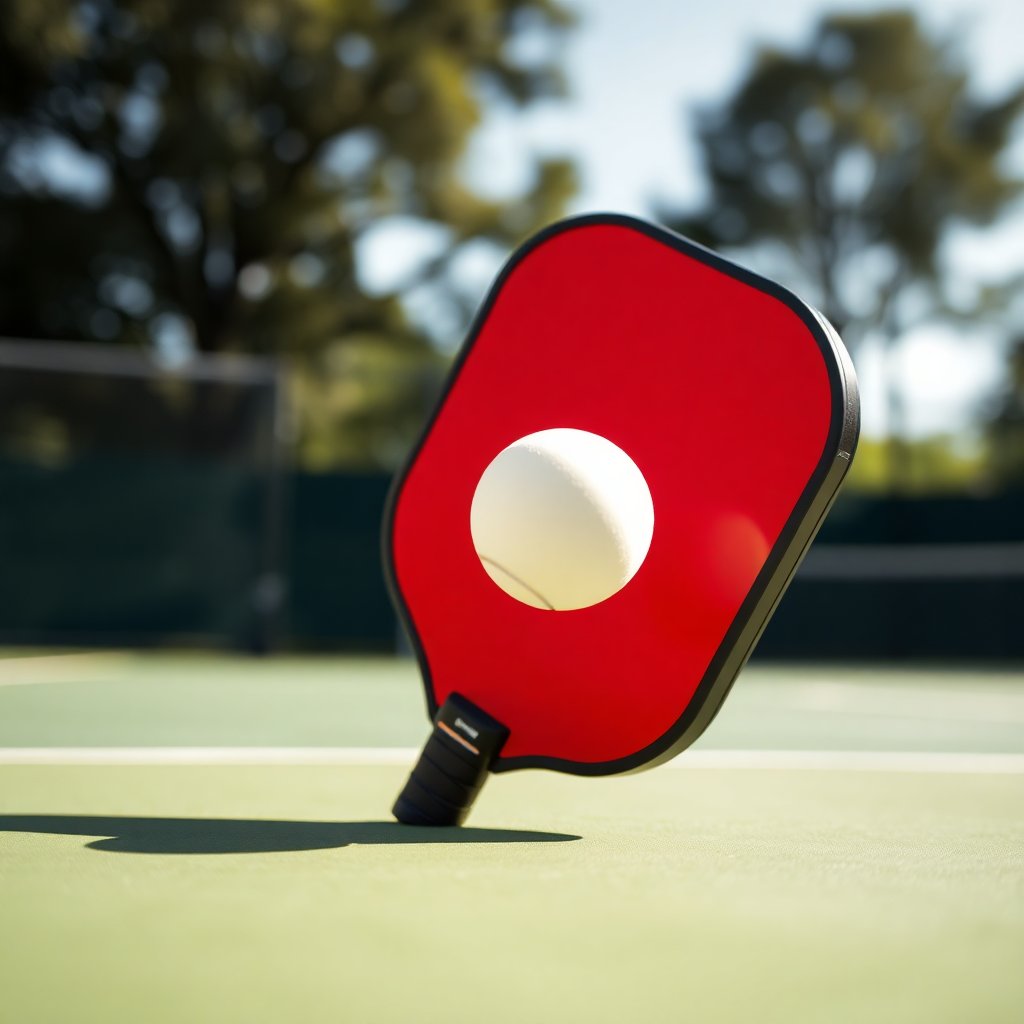
Pickleball is getting faster. At the intermediate and advanced levels, soft resets and gentle dinks aren't enough to put points away — you need a paddle that delivers real pop when the opportunity opens up. Whether you're ripping cross-court drives, attacking short balls, or punishing a slow reset from your opponent, the right power paddle makes a measurable difference.
This guide covers the seven best pickleball paddles built for power in 2026 — across a range of shapes, price points, and skill levels. We'll break down what actually makes a paddle powerful, then give you a clear recommendation for each type of player.
What Actually Makes a Pickleball Paddle Powerful?
Before diving in, it's worth understanding the three main levers that drive power output — because "power paddle" is often used loosely and not all of them deliver in the same way.
Core thickness is the biggest factor. Thinner cores (13mm and under) create a classic trampoline effect — the face compresses and springs back, launching the ball with extra velocity. Paddles in the 13–14mm range are the sweet spot for raw power. Thicker cores (16mm+) absorb energy and reward control players, but sacrifice some pop on aggressive drives.
Face material shapes how that power expresses itself. Fiberglass faces flex noticeably on contact and add a lively feel — great for players who want pop without overthinking. Raw carbon fiber faces are stiffer and generate more spin alongside power, which at higher speeds makes the ball even harder to defend. Many top power paddles now use a T700 carbon weave or similar.
Swing weight and shape determine how much momentum you can build. Elongated paddles (typically 16.5 inches long) give you more reach and leverage on groundstrokes and drives. They're especially effective from the baseline or in transition. Standard-width paddles are snappier at the kitchen line and suit more aggressive net play.
With those factors in mind, here are the best options available right now.
1. JOOLA Hyperion CFS 16mm — Best Overall Power Paddle
The JOOLA Hyperion CFS is arguably the most talked-about power paddle of the last two years, and it still deserves its place at the top of this list in 2026. The 16mm carbon fiber surface (JOOLA's proprietary "Carbon Friction Surface" texture) grips the ball surprisingly well for a power-oriented paddle, letting you generate topspin on your drives instead of just spraying them flat.
The 16mm core is on the thicker end, but JOOLA's engineering gets more pop out of it than most competitors. The result is a paddle that feels authoritative on drives and overheads without turning every touch shot into a rocket — which matters if you play at the kitchen regularly.
It's well-balanced, forgiving on off-center hits, and durable enough to hold up to daily play. If you want one paddle that does power without giving up playability, this is it.
→ Shop the JOOLA Hyperion CFS on Amazon
2. Selkirk AMPED Invikta — Best for Aggressive Baseline Players
Selkirk's AMPED line has been a go-to for power players for years, and the Invikta remains one of the most satisfying paddles to rip drives with. Its elongated shape (16.5" length) adds leverage that pays off immediately on groundstrokes and transition-zone attacks.
The polymer core is slightly on the softer side, which you might not expect in a power paddle — but the benefit is that it's extremely forgiving. Mishits still go where you aim them, which means you can swing harder without worrying as much about errors. The fiberglass face adds a lively, springy feel on contact.
The Invikta is a favorite among 4.0+ players who like to dictate play from the middle of the court. If your game is built around aggressive drives and you're tired of paddles that punish you for swinging with intent, give this one serious consideration.
→ Shop the Selkirk AMPED Invikta on Amazon
3. Franklin Ben Johns Signature Paddle — Best Value Power Option
Ben Johns is the best pickleball player in the world, and his signature paddle was designed with competitive play in mind — but it's priced for real people. The Franklin Ben Johns Signature uses a carbon fiber face and a medium-thickness core that leans toward power without completely sacrificing the control you need at the kitchen.
The elongated shape gives it the baseline leverage that power players want, and the textured face adds enough spin potential to make drives genuinely threatening. For the price point, the build quality is excellent — this paddle competes with options that cost significantly more.
If you're a developing intermediate player who wants to step into a more aggressive style without dropping $200+, this is the paddle to start with.
→ Shop the Franklin Ben Johns Signature on Amazon
4. Engage Pursuit Pro 6.0 — Best for Hard Hitters
Engage has been making high-performance paddles for competitive players for years, and the Pursuit Pro 6.0 is their statement piece for pure power. The thinner core (around 13mm) produces one of the most explosive feels you'll find in a legal paddle — balls jump off this face in a way that's immediately noticeable.
The trade-off is that it requires better mechanics to control. This is a paddle for players who have their fundamentals locked in and want a tool that rewards precision aggression. Intermediate players who are still ironing out their form may find it less forgiving than the other options here.
But for experienced players looking to add genuine heat to their drives and overheads, the Engage Pursuit Pro 6.0 is in a class of its own. It's also a strong choice for doubles players who like to volley aggressively and punish slow balls.
→ Shop the Engage Pursuit Pro 6.0 on Amazon
5. CRBN1 X Series — Best Carbon Fiber Power Paddle for Spin
If you want to combine serious power with heavy topspin, the CRBN1 X is worth a long look. The raw T700 carbon fiber face has an aggressive texture that grabs the ball and lets you brush up for spin without slowing down the shot — a combination that makes your drives much harder to read and return.
The paddle is available in a few thickness options; the 13mm version is the power-first choice, while the 16mm suits players who want a more balanced feel. For pure power output, go 13mm — the pop is noticeable compared to most thicker-core options.
CRBN paddles have a devoted following among players who've moved on from the big brands and want something more specialized. They hold up well over time and the face texture stays grippy longer than some competitors.
→ Shop the CRBN1 X Series on Amazon
6. Paddletek Bantam TS-5 Pro — Best Graphite Power Option
Paddletek's Bantam TS-5 Pro takes a different approach than most paddles on this list — it uses a graphite face rather than carbon fiber or fiberglass, which gives it a distinctive feel on contact. The result is a crisper, snappier response on drives and volleys that many players describe as more satisfying than softer-feeling paddles.
The polymer honeycomb core is well-tuned for power without being unmanageable. This paddle is particularly strong on overhead smashes and from the transition zone, where that extra snap translates directly into points.
It's not the flashiest brand on the market, but Paddletek builds paddles that last — the TS-5 Pro has been a consistent performer at the 4.0–4.5 level for good reason.
→ Shop the Paddletek Bantam TS-5 Pro on Amazon
7. ProXR Titan Pro 16mm — Best for Spin + Power Combo
The ProXR Titan Pro rounds out this list with an interesting approach: a 16mm core that still produces above-average power, combined with a carbon fiber face that adds spin you can build on. It's a power paddle for players who don't want to completely sacrifice kitchen feel.
The balance point is slightly head-heavy, which adds pop on drives without requiring maximum swing speed. This makes it particularly useful for players transitioning from a control-oriented paddle into something with more aggression — you don't need to completely reinvent your game to get results.
Build quality is solid, the grip is comfortable for extended play, and the ProXR team has been responsive about warranty issues in a way that the bigger brands often aren't.
→ Shop the ProXR Titan Pro on Amazon
Power Paddle Comparison Table
| Paddle | Best For | Core Thickness | Face Material | Price Range | |---|---|---|---|---| | JOOLA Hyperion CFS | Best overall | 16mm | Carbon fiber | $180–$220 | | Selkirk AMPED Invikta | Baseline aggressors | 13mm | Fiberglass | $170–$200 | | Franklin Ben Johns Signature | Best value | 14mm | Carbon fiber | $100–$130 | | Engage Pursuit Pro 6.0 | Pure hard hitters | 13mm | Fiberglass | $180–$220 | | CRBN1 X Series | Spin + power | 13mm or 16mm | Raw carbon fiber | $160–$200 | | Paddletek Bantam TS-5 Pro | Graphite snap feel | 13mm | Graphite | $140–$170 | | ProXR Titan Pro | Power/control blend | 16mm | Carbon fiber | $150–$190 |
What to Look For When Buying a Power Paddle
Your current skill level matters more than you think. A 13mm thin-core power paddle rewards clean mechanics — if your form is still developing, you'll send as many balls long as you'll win outright. Intermediate players (3.5 and below) generally do better starting with a 16mm paddle that adds power without punishing mishits.
Elongated vs. standard shape: If you play a lot from the baseline or the transition zone, elongated paddles give you an edge. If you live at the kitchen line and play a fast-hands doubles style, standard shapes are more maneuverable. Many of the paddles above come in both shapes — check before you buy.
Weight: Most power paddles run 7.5–8.5 oz. Heavier paddles generate more raw power on contact; lighter ones allow faster swing speed. Most players find the sweet spot somewhere in the 7.8–8.2 oz range.
Try before committing at a high price point. Many paddle brands now offer demo programs or have retail partners — if you're spending $200, it's worth finding a way to hit with it first.
If you're still narrowing down your overall paddle search, our best pickleball paddles for beginners guide is a solid starting point before diving into power-specific options.
Frequently Asked Questions
What makes a pickleball paddle powerful?
Power comes primarily from core thickness (thinner cores produce more pop), face material (fiberglass tends to flex more; carbon fiber is stiffer but adds spin), and swing weight. Head-heavy paddles and elongated shapes also add leverage that amplifies drive speed.
Is a thinner or thicker core better for power?
Thinner cores (13–14mm) generally produce more raw power because there's less material to absorb the ball's energy — it springs back off the face faster. Thicker cores (16mm) offer more control and forgiveness, which is why they're popular with players who want a balanced tool rather than pure pop.
Are power paddles harder to control?
Yes, they typically require better mechanics. A thin-core power paddle rewards clean contact and punishes mishits more than a control paddle does. If you're below 4.0, consider a 16mm option that gives you power with more margin for error — the JOOLA Hyperion CFS and ProXR Titan Pro are good examples.
Can beginners use power paddles?
Beginners can use them, but it's usually not recommended. Power paddles require solid fundamentals to use effectively — without them, you'll hit more balls out than you'll put away. Start with a beginner-friendly paddle and move to a power-oriented option once you've developed consistent strokes.
How much should I spend on a power pickleball paddle?
Quality power paddles start around $100 (Franklin Ben Johns Signature) and go up to $220+ for premium options like the JOOLA Hyperion or Engage Pursuit Pro. The mid-range ($150–$180) is a strong value zone — you get most of the performance without the premium price of pro-level gear.
The Bottom Line
For most players upgrading to a power paddle in 2026, the JOOLA Hyperion CFS 16mm is the best place to start — it balances genuine pop with enough control to stay useful at the kitchen line. Players who want maximum raw power and have the mechanics to back it up should look at the Engage Pursuit Pro 6.0 or the CRBN1 X in the 13mm configuration.
If budget is the priority, the Franklin Ben Johns Signature punches well above its price — it's one of the best sub-$130 paddles on the market regardless of category.
Pick your level, pick your shape, and start hitting harder.
As an Amazon Associate we earn from qualifying purchases. This article contains affiliate links; if you buy through them we may earn a small commission at no additional cost to you.